Metal processing
Innovative equipment for metal processing
Construction Technology
Innovative construction technology for professionals
Working at LISSMAC
Innovation and diversity under one roof
LISSMAC – we are driven by ideas
We rely on experience and system competence. Against this background, LISSMAC Maschinenbau GmbH is comprised of four business divisions: Construction Technology, Metal Processing, Plant Engineering and MT handling. Worldwide, more than 400 employees at five locations in Germany, France, the USA and the United Arab Emirates ensure the highest levels of customer satisfaction.
Four business areas
Corporate movie
News
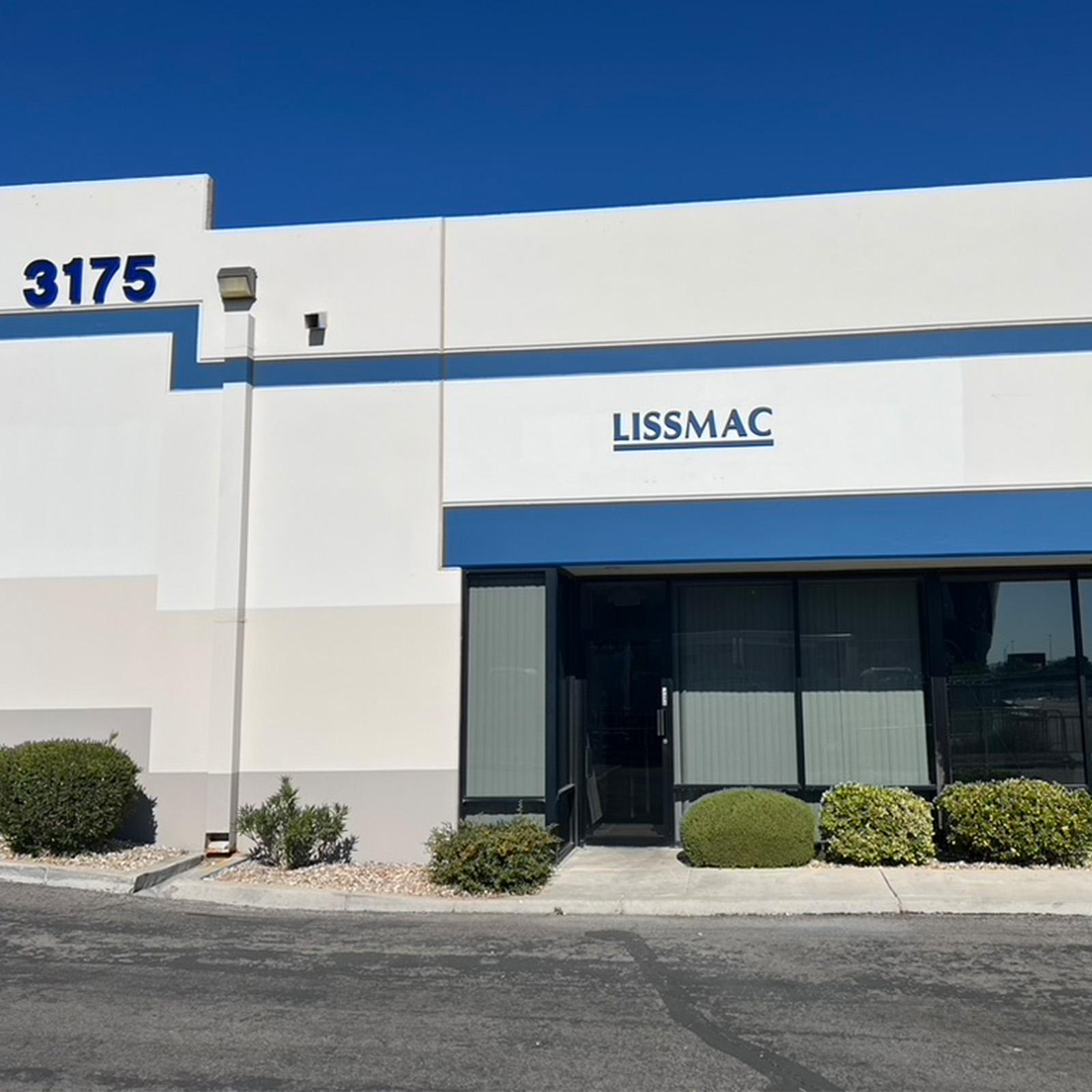
LISSMAC Corporation opens new branch office in Las Vegas, NV
On January 1, 2024, LISSMAC Corporation officially opened a satellite branch in Las Vegas, Nevada. Initially, the Las Vegas office will serve as a sales and service location for the South and West Coast of the USA. "The new office in Las Vegas is an important step for us to expand our sales and service activities in the Southwest," says Ingo Heiland, Vice President of LISSMAC Corporation. "Las Vegas is an important trade show location for us with World of Concrete, an important annual trade show for concrete and masonry, as well as the recurring industry exhibition FABTECH. Furthermore, Nevada is conveniently located in the Southwest and has a strong manufacturing and construction sector itself." LISSMAC Corporation was founded in 2007 in Mechanicville, New York State and has been serving the US market with innovative and reliable solutions in the Construction Technology and Metal Processing divisions ever since. With 25 employees, a showroom for live demonstrations, a service team and its own spare parts and goods warehouse, the Mechanicville site is ideally equipped to support customers from application consulting to after sales. "We will be expanding the Las Vegas office in the coming year and hiring additional employees to achieve the same level of customer service as in upstate New York," explains Ingo Heiland. "The aim is to carry out product demonstrations in the Metal Processing division both at long-standing reference customers in the vicinity and, in the medium term, at our own site. In addition, numerous regional construction projects will allow us to demonstrate our civil engineering products," adds Norbert Zell, Branch Manager in Las Vegas. The new office is located five miles from the airport and across the street from Allegiant stadium, the venue for Super Bowl LVIII in February 2024. As of January 1, 2024, LISSMAC Corporation has a satellite branch serving the Southwest and West Coast of the USA from the new location: LISSMAC Corporation Satellite Branch 3175 W Ali Baba Ln Suite 806 Las Vegas, NV 89118 USA
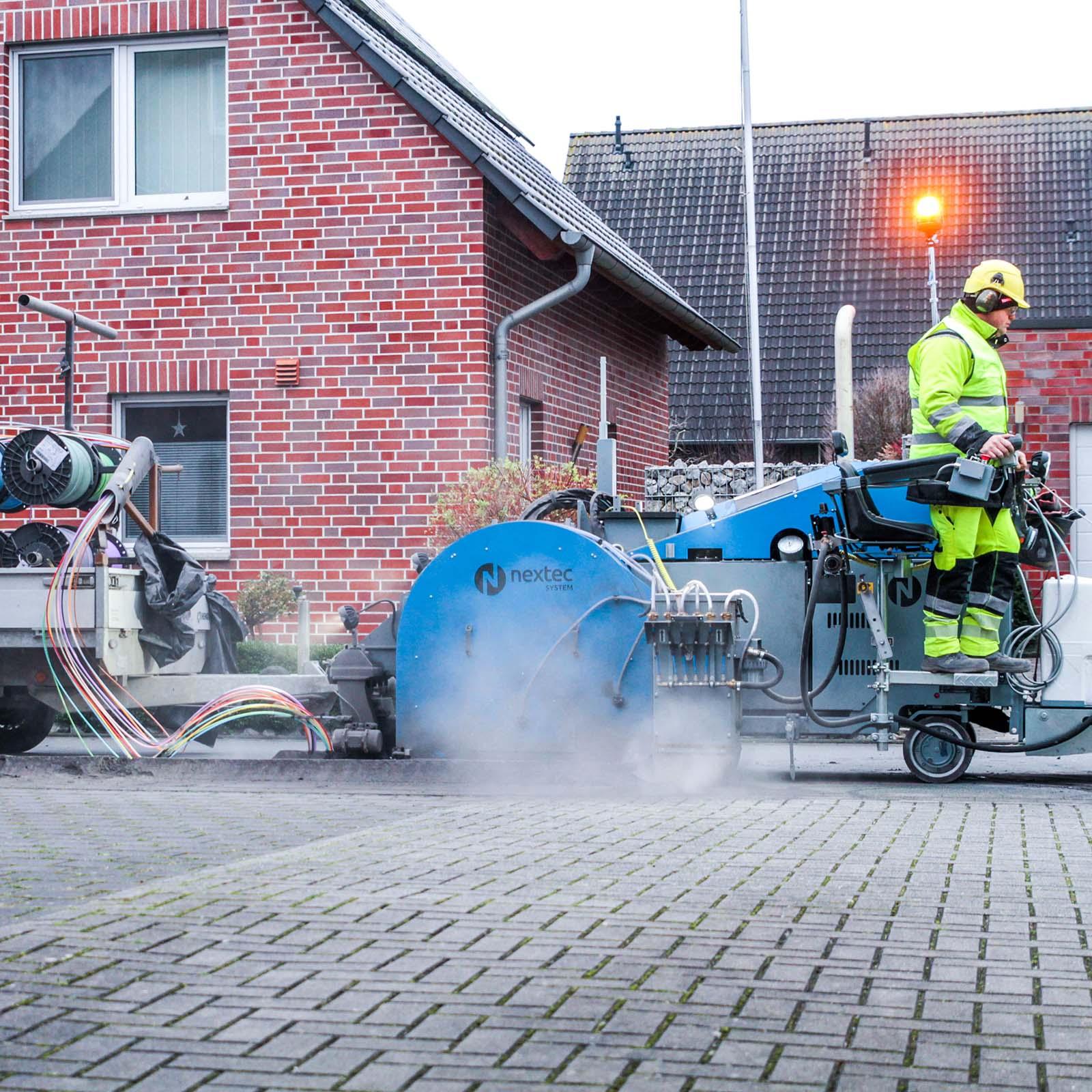
DIN 18220: A MILESTONE FOR FIBER OPTIC EXPANSION
DIN 18220 COMES INTO FORCEOn 28.07.2023, "DIN 18220:2023-08. Trenching, milling and ploughing methods for laying empty conduit infrastructures and fiber optic cables for telecommunications networks" was adopted. The document was ceremoniously handed over at an event on the gigabit strategy of the Federal Ministry for Digital and Transport (BMDV). According to Section 126 of the German Telecommunications Act (TKG), it is to be applied uniformly by all parties involved as a recognized technical rule from the time of publication. DIN 18220 is intended to contribute to the cost-effective acceleration and, above all, high-quality implementation of fiber optic expansion. It defines clear conditions for use and implementation and sets the legal framework for achieving a milestone in broadband and fiber optic expansion. DIN 18220 increases investment security for all parties involved, especially for telecommunications companies. To date, there have been neither standardized framework conditions nor uniform principles for the application of the trenching method. Up to now, most municipalities have mainly chosen the open construction method as the laying method for fiber optic expansion, as the minimum overlap had to be at least 60 cm before the standard. Since 2012, the TKG has permitted the use of shallow laying (trenching, shallow laying methods), which also includes non-standardized methods such as trenching. However, the process has so far had difficulty establishing itself on the market. This is primarily due to legal uncertainties for all parties involved. These are inevitably associated with the lack of binding technical specifications, in the form of a binding standard, for the use of such alternative laying methods. The difficulty lay in particular in differences between road construction authorities, contractors and telecommunications companies regarding the specific execution and implementation. As a result, there were delays in the expansion of the fiber optic infrastructure. THIS CHANGES WITH THE NEW DIN 18220Up to now, most local authorities have mainly chosen the open construction method as the laying method for fiber optic expansion, as the minimum cover had to be at least 60 cm before the standard was introduced. DIN 18220 now regulates laying methods for reduced construction depths, including diamond trenching from LISSMAC (38 cm laying depth)."With DIN 18220, fiber optic installation will not only be easier in the future, but also of higher quality, faster, more cost-effective and more resource-efficient. DIN 18220 creates the necessary legal certainty and investment security for all parties involved," said BMDV State Secretary Stefan Schnorr, describing the importance of the new standard. WHAT DIN 18220 MEANS FOR LISSMACLISSMAC has been active in diamond trenching for around 10 years. Due to our experience in the field of joint cutting, we are a long-standing member of the VDMA (German Engineering Federation) and were involved in the creation of the standard as a member of the standardization committee. We are very pleased about the recognition of the alternative laying methods for fiber optic expansion, including LISSMAC diamond trenching, as the standard creates clarity for the construction industry, all municipalities, communities and telecommunications companies. Find out more about diamond trenching following DIN 18220 with LISSMAC. Read further background information to DIN 18220 (german). Watch the full video "Glasfaser ohne Einblasen" together with Telekom (with english subtitles).
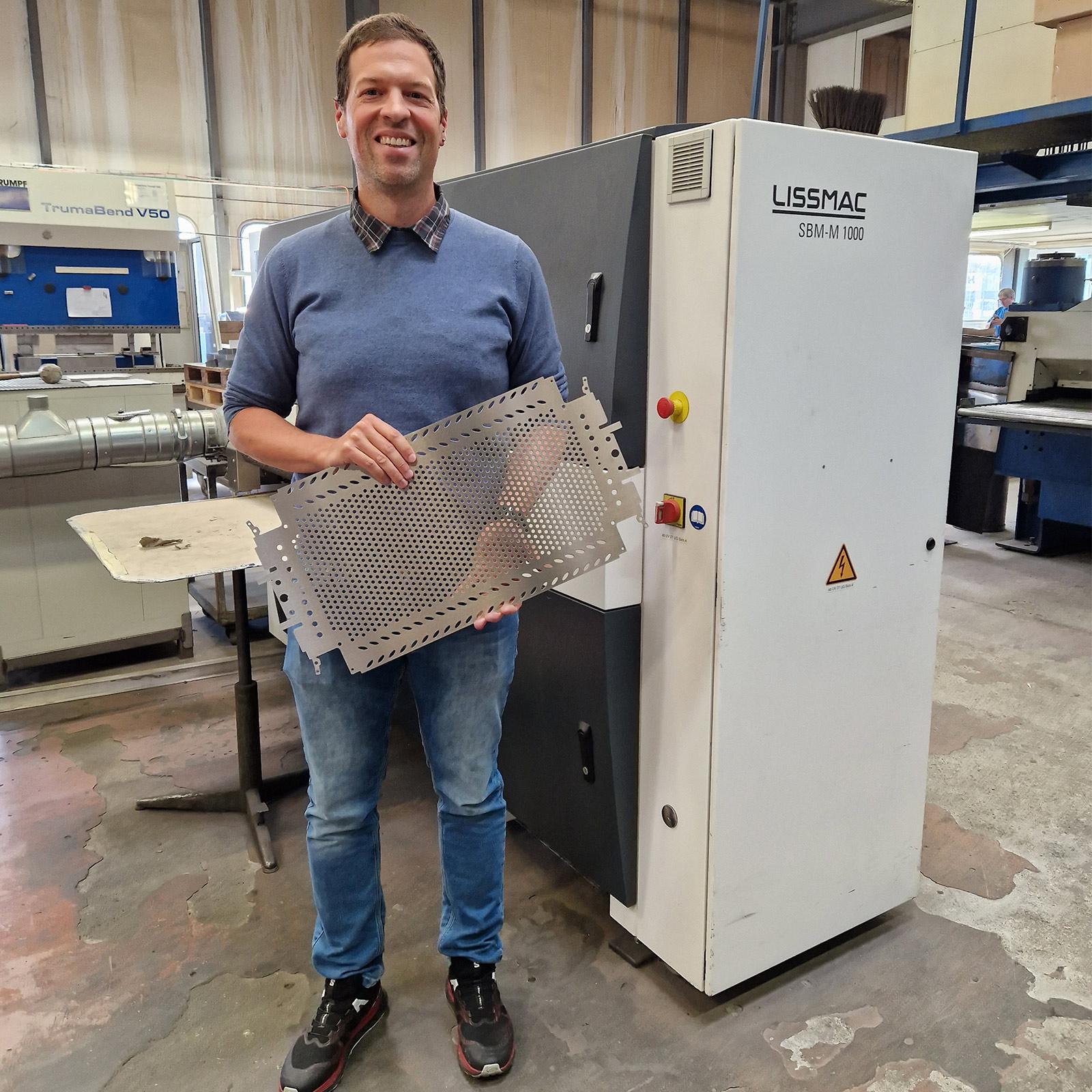
Process Reliability Thanks To Two New Sanding And Deburring Systems
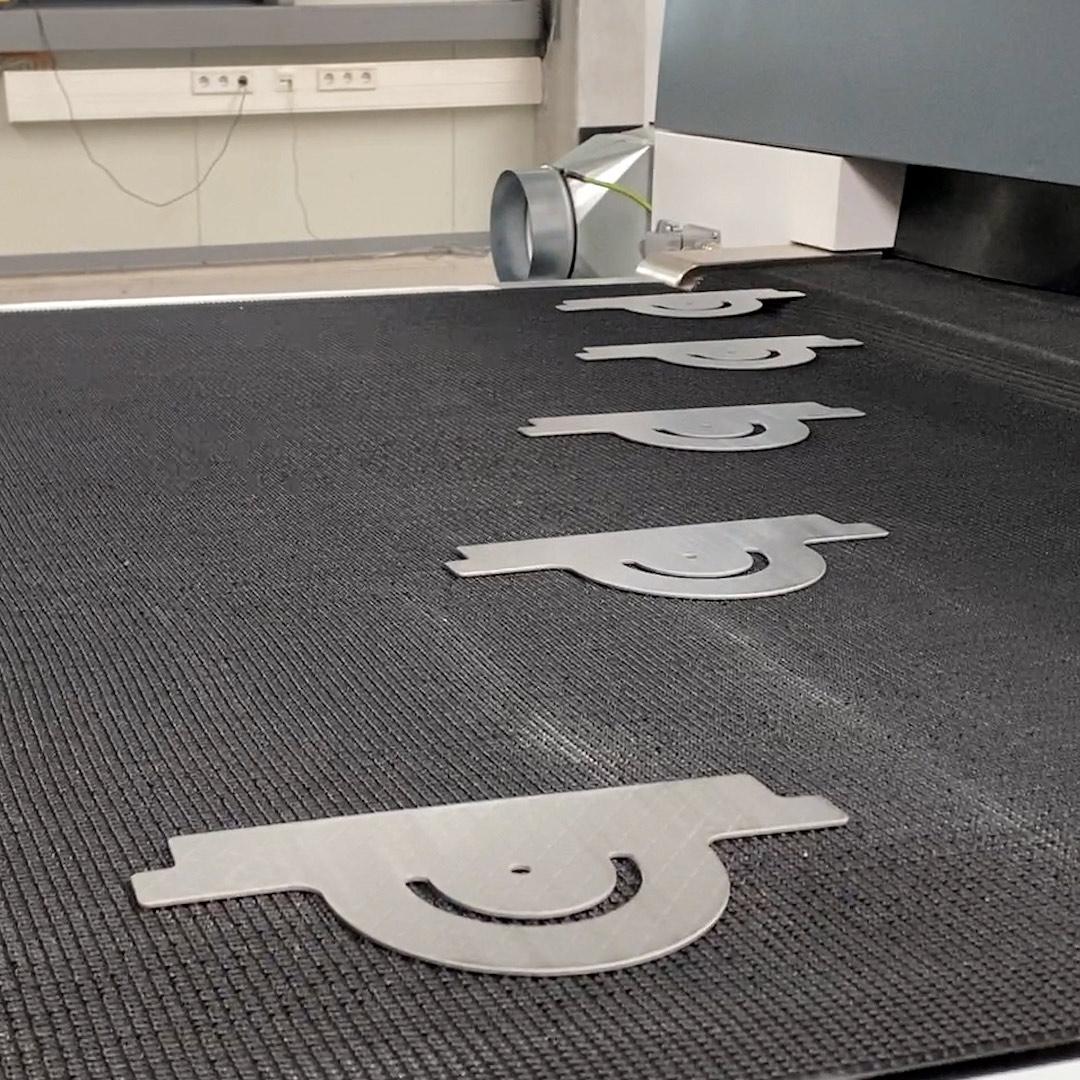
A Swiss sheet metal processor invested in two grinding and deburring systems. They are used for the removal of secondary burrs and for an optimum surface finish. The focus of the replacement purchases was on flexibility, increased efficiency and reliable service. Text: Annedore Bose-Munde Ulrich Oppliger AG from Lyssach in Switzerland has been successful on the market for 54 years. The company's core competence is sheet metal processing - from bending, laser punching and cutting to welding, straightening and deburring. Prototypes, individual items or series are manufactured. Marc Burkhalter has been with the company for nine years. He initially worked as operations manager for two years. He then took over the business from his father-in-law, the owner of the company, and has now been managing director for seven years. He knows how important the quality of the parts is. The company has now invested in two new Lissmac systems in order to reliably ensure this and to be able to produce more efficiently and reliably in the future. The impetus for one of the investments was a customer part whose production a technical problem occurred again and again. For a company that develops and distributes surgical instruments, Oppliger has been manufacturing components for sterilisation trays for several years, which are later used in the pre-operating theatre to prepare the surgical instruments. The punched parts that are further processed at the customer's premises are given a new look at Oppliger by subsequent sanding for a harmonised surface finish. And this is exactly where the problem arose: a secondary burr. In addition, the customer ordered ever larger quantities.Service is an important decision criterion The secondary burr often had to be ground away by hand. The old system was also frequently overloaded. The limit was reached in 2018. "The repeated dissatisfaction with the quality of the components and the time-consuming manual reworking of the components satisfied neither the customer nor us. After all, a precise surface finish and clean further processing are essential for medical technology products. We had to act," Marc Burkhalter looks back. A reliable solution was therefore required. The quality requirements were defined together with the customer before the new acquisition. And Oppliger also analysed the extent to which the investment would pay off in the long term. The specific application for the plant technology to be purchased was given and so the key data for the new machine was quickly finalised: It had to be a compact system because the space available in the hall was limited. And Marc Burkhalter mentions another decision point: "It was important for me to have a contact person for the sanding area. I also wanted to work with our long-standing service partner Wolfgang Kohler on this point. Communication works here, the service works and fast spare parts procurement is guaranteed." WKS GmbH - Wolfgang Kohler Service GmbH, based in Bad-Zurzach in Switzerland - is a service and sales company specialising in straightening and deburring machines. The portfolio also includes Lissmac systems. Universal Entry-Level Machine For Burr Removal The decision-making process was swift. The range of parts and the spatial conditions were set. And so, in 2020, the Swiss sheet metal processor opted for an SBM-M 1000 S2 dry sanding system from Lissmac. The grinding and deburring machine is a universal entry-level machine for removing cutting burrs from laser and punched parts. The sheet metal parts are also given an optimised surface finish. Bertrand Laroche is Area Sales Manager Metal Processing at Lissmac Maschinenbau GmbH. He accompanied the process. "The SBM-M 1000 S2 is a functional machine in terms of design and operation. The system was just right for the application at Oppliger," he says. Due to the two counter-rotating belts and the double-sided processing, no return of the parts is required. In addition, less floor space is required. The machine type was therefore quickly decided. Following a visit to the Lissmac demonstration centre in Bad Wurzach, only the system design and the extraction system were adjusted and the abrasive grain was specified. The grinding and deburring machine was then purchased and installed in 2020. "Our customer is satisfied. Since the new system has been in use, there have been no more problems with the secondary burr. The surface quality has also improved somewhat thanks to the fine abrasive grain," says Marc Burkhalter happily. Initially, the new plant was used exclusively to produce parts for the manufacturer of medical instruments. In the meantime, it is also used for other applications, especially for parts that need to be machined on both sides. These are mainly industrial parts made of thin stainless steel sheet. The SBM-M 1000 S2 focuses on removing sharp edges from thin stainless steel parts at low cost and with low energy consumption -. "This was Lissmac's first application with the Lyssach-based company. It's great that we have been able to place this system concept, which has been tried and tested on the market for a long time, here," says a delighted Bertrand Laroche, Area Sales Manager. Powergrip Belt Ensures Efficiency And Flexibility A year later, another replacement was due. The previous system was unreliable, had a high risk of failure and spare parts were difficult to obtain. In addition, smaller parts also had to be deburred. Oppliger took a look around the usual trade fairs. And with the knowledge that Lissmac also manufactures systems in this segment, the Swiss company approached the Bad Wurzach-based machine manufacturer in a targeted manner. The key data for the new system was finalised: Processing of the widest possible range of stainless steel parts, i.e. a high degree of flexibility. And once again, it had to be as small as possible. In addition to the set functionalities, the price-performance ratio should be right and the delivery times should be acceptable. In addition, Wolfgang Kohler Service GmbH was to act as a partner again. Marc Burkhalter decided in favour of the SMD 123 RE deburring machine. Here too, the technical highlight of the system is the Powergrip belt, on which the parts rest during processing and are held in place by the high adhesive force and without magnets or vacuum. "We are the only ones in the industry to work with a conveyor belt like this. That means: More consultation is required with the customer than with other, familiar technologies," says Bertrand Laroche. However, the Powergrip belt is not only flexible, but also very energy-efficient. A vacuum, Laroche continues, is loud, for example, requires a lot of energy and is not suitable for all part geometries. Marc Burkhalter is convinced by the technology, which has been running reliably since installation. The new system will be used to produce smaller parts for a wide range of industrial sectors as well as parts for which the visual appearance plays a role and a good surface finish is important. Efficiency and stability for the futureOppliger, one of the first laser operators in Switzerland, manufactures for industrial customers in a wide range of sectors. A good 600 tonnes of sheet steel are currently processed, of which around 50 per cent is steel and 50 per cent stainless steel. Looking to the future, Managing Director Burkhalter says: "It would be good to maintain the current status. We rely on healthy growth, customised machinery, automation and the expertise to serve a wide range of customers. Lean processes are also important: Efficiency is to be increased in all areas, both in the office and in production." Area Sales Manager Laroche is also looking ahead: "We want to support our customers with more efficient abrasives in the future. Lissmac is working on this together with abrasive manufacturers. This is intended to improve and optimise the performance of the machine, i.e. to increase quality and performance. And with a view to suitable system technology, the topics of remote maintenance and digitalisation are also increasingly being implemented." Kontakt:Ulrich Oppliger AGMarc BurkhalterIndustriestrasse 23421 Lyssach, Schweizwww.uoppligerag.ch *** Lissmac Maschinenbau GmbHBertrand LarocheLanzstraße 488410 Bad Wurzachwww.lissmac.com Textautor:Annedore Bose-MundeFreelance specialised journalist for Technology and business, Erfurt www.bose-munde.de
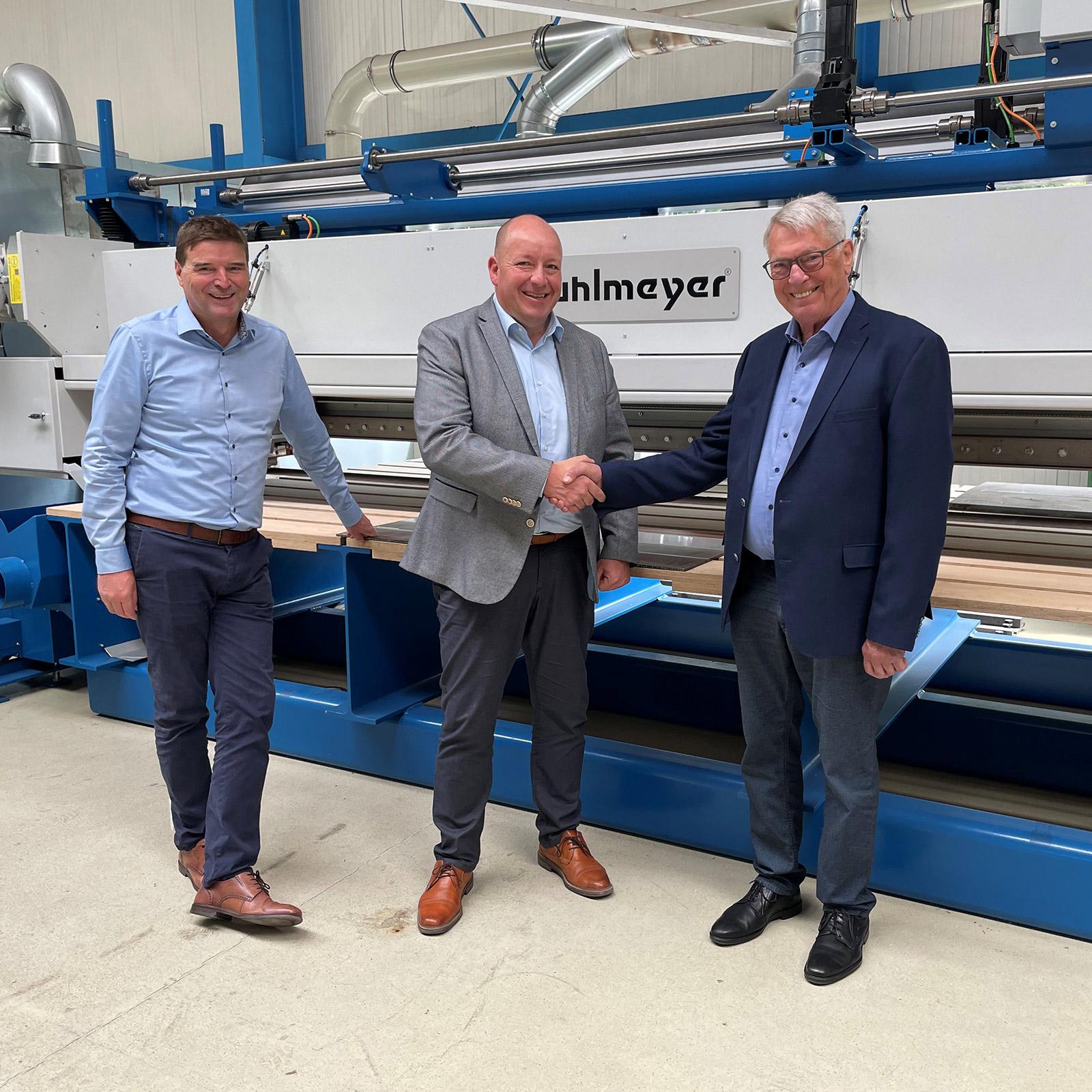
LISSMAC AND KUHLMEYER FORM AN ALLIANCE FOR THE FUTURE
LISSMAC Maschinenbau GmbH from Bad Wurzach, Germany and Kuhlmeyer Maschinenbau GmbH from Bad Oeynhausen, Germany agree: Together we are stronger and can better serve the market for sheet metal working machines. Since July 1, 2023, both companies have launched a sales and service cooperation in which LISSMAC co-represents and services Kuhlmeyer solutions. Since 2003, LISSMAC have been setting standards in the processing of two-dimensional plate material and sheet metal with a range of specially developed, patented steel brushing, grinding and deburring machines. In particular, LISSMAC machines for double-sided processing of internal and external contours in a single pass are in high demand, as they save both processing time and energy costs compared with single-sided machining. Kuhlmeyer on the other hand can look back on fifty years of innovation and specializes in machine construction for surface finishing, deburring, weld seam preparation and edge bevelling of three-dimensional sheet metal workpieces or large-format plate material. "What unites LISSMAC and Kuhlmeyer are the same values and similar corporate philosophies" says Daniel Keller, Managing Director of LISSMAC Maschinenbau GmbH. "We share the same solution focus and continuously strive to optimize our machines. The customers and their needs are always our highest priority." LISSMAC can rely on a worldwide network of dealers and a broad-based sales team, thus opening up new markets with Kuhlmeyer products. "Through the sales and service cooperation with LISSMAC, we can gain more proximity to the customer and serve markets more efficiently," explains Ralf Wallmeyer, Managing Director of Kuhlmeyer Maschinenbau GmbH. To underline the cooperation, both companies will exhibit together at Schweissen & Schneiden, the world's leading trade fair for joining, cutting and coating technology, which will be held in Essen, Germany from 11 to 15 September 2023. Interested parties are warmly invited to get to know both companies and find out about their product and service portfolios. Solutions for processing plate material, sheet metal and three-dimensional sheet metal parts will be presented in Hall 6, Booth 6F20. Left to right: Ralf Wallmeyer, Managing Director Kuhlmeyer Maschinenbau GmbH; Robert Dimmler, Sales Director Metal Processing LISSMAC Maschinenbau GmbH; Friedrich Kuhlmeyer, Managing Director and CEO Kuhlmeyer Maschinenbau GmbH. Author: Annedore Bose-Munde
Appreciation For Sheet Metal Processing
Six years ago, an entrepreneur started a company in Bad Salzuflen, Germany. His business was industrial sheet metal and metal processing. By investing in new plant technology and setting up a second stainless steel production company four years later, he was pursuing clear goals: consistent material separation, high quality and satisfied customers. Text: Annedore Bose-Munde Blechwerk Bürger GmbH is a classic supplier. In addition to the laser-edged part, with or without edge rounding, the portfolio also includes the production of complete assemblies, from welded components with powder coating to final assembly. Focusing on individual customer care and cooperation at eye level, the company also operates beyond the borders of East Westphalia. Markus Bürger founded the sheet metal plant in Bad Salzuflen in 2017. The Lico Metall Design GmbH & Co KG was then founded in 2021, the company moved to its new location in Werther in the autumn of 2022 and production started here in January 2023. There are quite pragmatic reasons for the two locations. On the one hand it is the focus on the material and on the other hand on the clientele. While Blechwerk Bürger specialises in the processing of carbon steel, Lico specialises in the processing of stainless steel and therefore in the purity of the processing. In addition, the two locations also address different customers and cover two sales channels. "Both locations are 25 kilometres away from each other, about a 30 minute drive. As a result, we are sometimes in touch with completely different customers. In addition, with Lico we want to make consistent use of the potential of the stainless steel market," says Markus Bürger, Managing Director of Lico. Successive investments were made in various plant technologies with the establishment of the new sheet metal plant and later with the launch of Lico. The first double-sided Lissmac machine was purchased shortly after starting up in 2018: an SBM-M 900 S2. "This was a small, handy and financially manageable deburring machine. After this was busy in two shifts, we invested in another Lissmac plant in 2022. We wanted to optimize the process and make it more efficient,“ says Bürger, looking back. With the deburring machine SBM-L 1500 G1S2 not only a larger range of parts could be processed. The feed and discharge conveyor also significantly increased the effectiveness in processing. Ensuring high quality from the outset was important to Bürger. Especially with laser-cut parts, customers should not receive parts with burrs as a result of the process. The parts are thus prepared for any subsequent processes such as welding or coating. Two-Sided Processing In One Operation Was The Door Opener When purchasing the plant technology, Bürger has already taken a pragmatic approach at the start of the company. For example, the proximity to the Lissmac location in Beckum was important to him. There he identified suitable machines that met his requirements and key specifications. Dirk Schürstedt, Area Sales Manager Metal Processing at Lissmac Maschinenbau GmbH, demonstrated to him the possibilities of the grinding and deburring machine SBM-M S2. The system can be used for flexible edge rounding. High process efficiency and time savings are achieved by processing the inner and outer contours on both sides in one operation. The plant was available at short notice and so they did not think twice. "I decide quickly when I have a good feeling," says Markus Bürger. "It's not just the chemistry that's right here. I was convinced by the proximity to Lissmac. And of course, the two-sided processing principle as well as the technical possibilities offered by the system and, ultimately, the short delivery time.“ When purchasing the second system, which became necessary due to the increased order volume, the focus was then again on a Lissmac system. Compared to the first purchase, the SBM-M S2, is the deburring machine SBM-L 1500 is now significantly larger. In addition to the working width of 1500 millimeters, which can cover a wider range of parts and thus better serve customer requirements, Bürger also expects cost savings in abrasives in the future. In addition, several parts can be placed on simultaneously by the upstream and downstream conveyor belts. This means a significant simplification of work for the employees. An additional sanding belt also allows the burrs created during laser cutting to be reworked more efficiently. With his two companies, Markus Bürger is a satisfied Lissmac customer. In terms of technology and in terms of service, which reacts very quickly when problems arise. Lissmac will also be on board for a new planned project. "From autumn 2023, the laser parts produced on a new Tru Laser 5030 with fibre technology will be transferred via an Astes sorting system directly to a Lissmac double belt grinder, where the grinding process will start automatically," says Bürger. He is confident about the order book, sees great potential in the technology and is looking forward to implementing the fully automated process.Second customer base generated through consistent material separation Separating materials has always been and still is a key issue in sheet metal working. Originally, both the steel division and the stainless steel division were located in Bad Salzuflen. But Bürger was not satisfied with the solution. Different quantities are processed in the steel segment than in the stainless steel segment. The processing of the parts is different and, of course, the purity and processing quality of the stainless steel parts is also important. Especially when parts are used for food processing equipment or medical technology, this is an important point. In order to avoid complex material segregation in the processing of the various parts and in all logistical processes, Markus Bürger decided to set up Lico Metall Design. "In mixed production, the error rate is significantly higher. Of course, despite all the care taken, metal dust can be carried away or parts can become contaminated with oils or fats," says Bürger. That's why he decided to completely separate the two materials physically. This way, he could achieve 100% added value and increase customer acceptance. That was the right decision, because with Lico a new and separate second customer group will be opened up. The newly founded Lico now concentrates on the production of high-quality stainless steel components - also with a view to the assembly production located in the group of companies. Markus Bürger had been planning to further expand the stainless steel sector for quite some time. And so he was looking for the right property, a suitable managing director and co-shareholder as well as the right technology. Although it took some time to find a suitable property and a suitable managing director for Lico before Bürger was satisfied with the solutions, the decision in favour of Lissmac technology was a quick one. At the Lico site in Werther there is a SMD 123 RE dry grinding system. It is used for deburring and the uniform edge rounding of all workpiece edges on the outer and inner contours on all sides, as well as for an optimal surface finish of the stainless steel parts. In addition, there is an SBM-M 1500 for rounding edges at the location.Achieving Greater Awareness For Suppliers Especially in the field of sheet metal processing, a lot of money is invested in plant technology. Suppliers and contract manufacturers must also consistently perform quality work in order to be able to survive. But the way Markus Bürger is perceived in the marketplace is often a little hard to come by. That's why he wants more appreciation for his companies, but also for the industry. "The sheet metal processing industry does a lot. The potential here is huge: new technologies, complex automation and numerous perspectives," says Bürger. And this is exactly what he sees as a perspective for his companies. "It is important to me to run a healthy company, to place it on the market and to keep it there, and also to work with good employees, suppliers and customers on an equal footing". Dirk Schürstedt from the plant manufacturer Lissmac also appreciates this honesty at eye level. "Markus Bürger tells me directly what he expects from a machine and what could be improved if necessary. This open communication definitely drives us and means a challenge that we need,“ he says. One thing is certain: Here the mutual appreciation is given - at eye level.
Trade fair autumn 2023 - Find us here
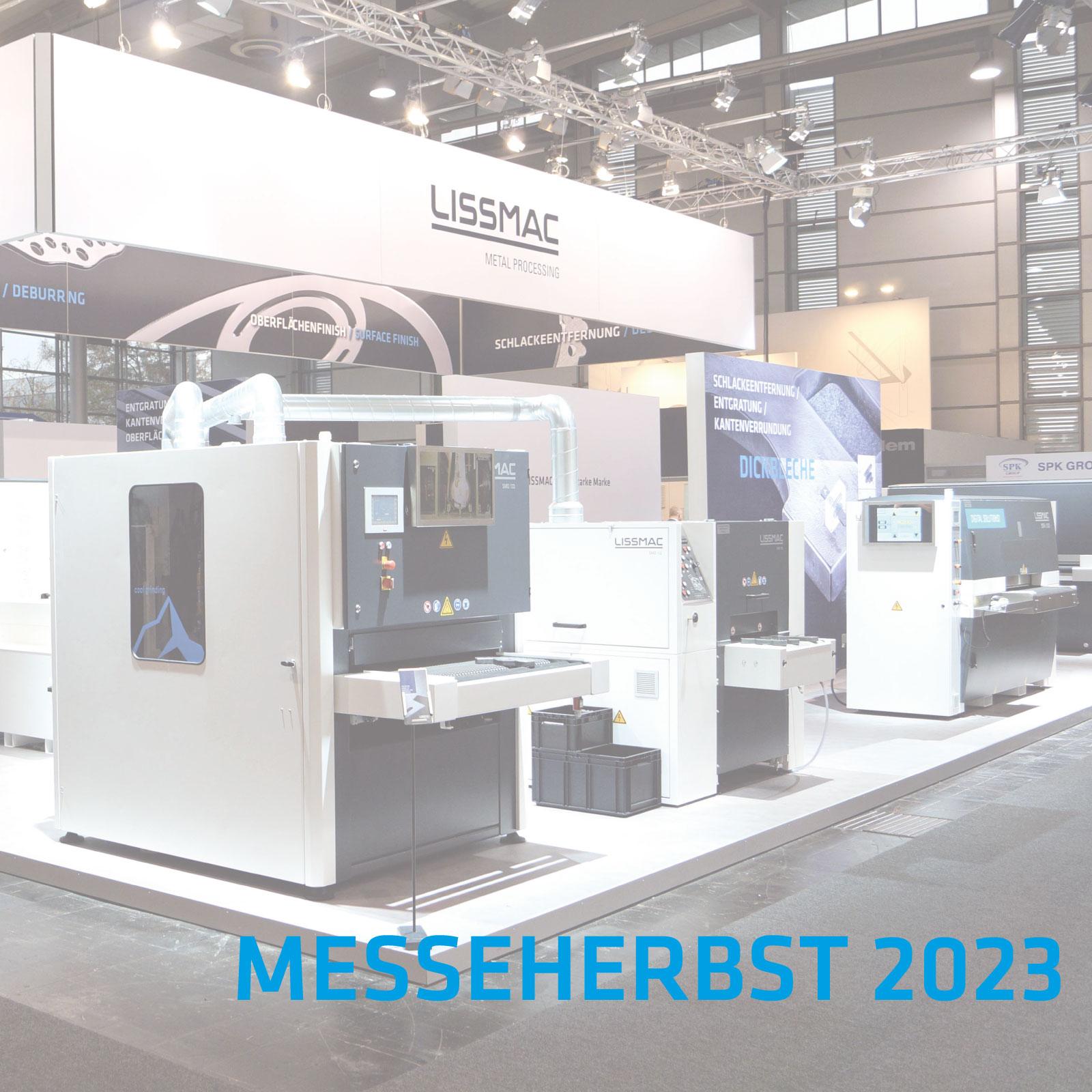
As in every year, fall is an important time of year for us, usually characterized by major trade shows in our business areas. This year, the Metal Processing business unit will be attending two important events: Schweißen und Schneiden in Essen from September 11 - 15, 2023 and Blechexpo in Stuttgart from November 7 - 10, 2023. At Schweißen und Schneiden, the focus will be on thick sheet. Appropriately, we will present our double-sided grinding and deburring machine SBM-XL 1500 G2S2 and our SMD 3 P-Edition in hall 6, booth 6F20. Thus, visitors can inform themselves about different machining processes by means of different aggregates and find the suitable machine for their company. In addition, we will also exhibit other products from our portfolio with the SBM-L 1500 and the SMD 123 RE. As a special highlight you will also find products of our partner Kuhlmeyer Maschinenbau GmbH at our booth. As already announced, we have concluded a joint sales and service cooperation as of 01 July 2023 and would like to underline this with our joint trade show appearance. At Blechexpo in Stuttgart, the leading international trade fair in the southern part of Germany, we will also be represented with an extensive excerpt from our range of products and services. From thick sheet to thin sheet, from single-sided to double-sided processing, whether small parts or large and heavy workpieces - we offer the right solution for every application and tailor our services precisely to your needs. Visit us in hall 5, booth 5301, our colleagues will be happy to help you as experts in sheet metal processing. But to show our presence in other markets as well and to save our customers long journeys, we will be at Metavak in Gorinchem again this year from October 10 - 12, 2023. At booth D122 we will give insights into our SMD 335 REE S-Edition and our SBM-L 1500 G1S2, representative for the models from the SMD 3 and SBM series. We are happy to start with a strong network of sales, service and tools and together with Sibotech B.V. and REW/Slijpexpert we will be able to meet all the demands of our customers.
LISSMAC - Apprenticeship Day 2023

Training and study start 2024: Last Wednesday and Friday, students and parents had the opportunity to get to know LISSMAC better as part of the training days. After a welcome, we started with a joint tour of the company. Together with their trainers, the trainees presented their daily work and the different apprenticeship professions. Interested parties were able to get practical insights about LISSMAC and about the start of apprenticeship and studies in 2024. Here you can find the current job offers: We are looking forward to receiving numerous applications!
New Grinding And Deburring Machine For The Deutsche Bahn Bridge Workshop
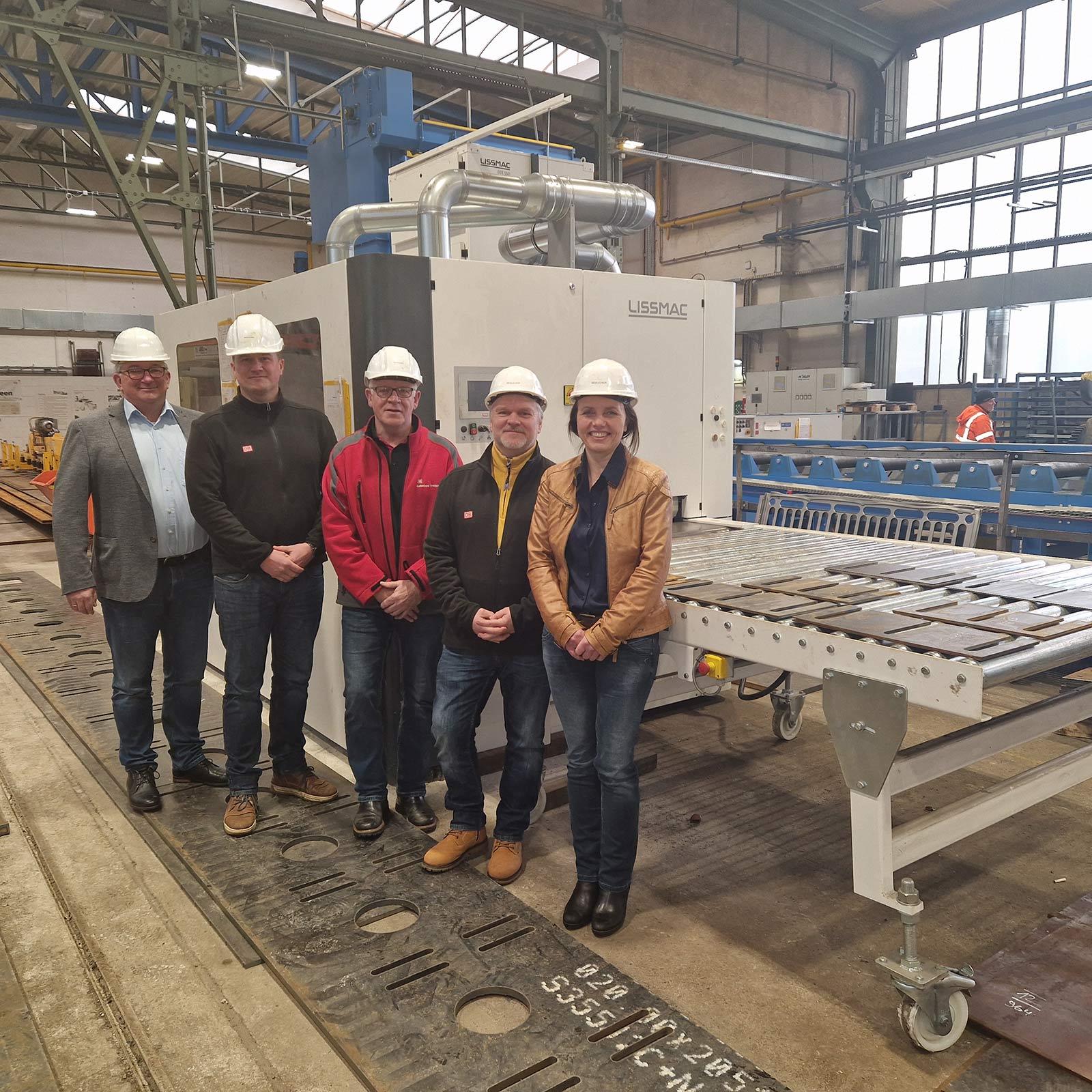
The DB Bahnbau Group is the full-service provider for railway infrastructure. In the bridge workshop (Brückenwerkstatt) in Dresden, almost everything revolves around steel railway bridges. In order to be able to operate economically and in line with quality standards, the bridge workshop invested in new plant technology. Text: Annedore Bose-Munde The Brückenwerkstatt Dresden specialises in the design, manufacture and assembly of steel and bridge construction. The portfolio includes everything from the planning and manufacture to the installation of bridges, steel structures, construction aids and railway embankment culverts. Against the background of increasing quality requirements, the topics of rounding and edge breaking have become increasingly important in recent years. At a sharp edge, the corrosion protection system breaks down first and. the longevity of the engineering structures must be ensured. Manual editing cannot reliably guarantee reliable and repeatable quality. Roland Möbius is responsible for cutting and says at the Brückenwerkstatt Dresden: "In 2018, a new DB Netz guideline came out that is based on EN DIN 10/90 -, a European standard that is generally valid for static load-bearing components. The internal standard regulates the preparation and further processing of welded products, e.g. the degree of purity of the sheet metal and how the edges are to be rounded. Here it is required that all edges with radius 2 mm should be rounded." Reliable edge rounding with radius 2 This was the specific point where action had to be taken. Up to this point, deburring and edge rounding was mainly done manually. A technical solution had to be found. There was also the issue of employee health, as the strenuous and repetitive nature of the work was compounded by the dust generated by grinding. "We knew that we wanted and needed to change something. So we gradually started looking at filleting machines. We clearly defined our requirements for the new machine and looked at what machines were available on the market," says Uwe Träber. He is the workshop manager and thus responsible for the execution of production and the machine processes. After a great deal of research, the bridge workshop sent samples to a number of equipment suppliers, where the appropriate tests were carried out. And finally, they also consulted a business partner - Mende Industrieprodukte e.K. from Wolkenstein in the Erzgebirge district of Saxony. The company advises on abrasives, deburring and polishing agents, stainless steel and surface technology, aluminium, copper and brass processing, and then supplies the components, -as it did for the bridge workshop in Dresden. Kerstin Kunze, owner of Mende Industrieprodukte, looks after the abrasives here. So she also knew the topic of edge rounding 2 mm, which came up again in 2018. Kunze also works very closely with Lissmac Maschinenbau GmbH in Bad Wurzach and has thus also been able to establish contact with the bridge workshop. Discussions on the requirements for the parts will take place in 2019 and the first parts will be machined in 2020. How should the processing be done? Should it be machined on both sides or on one side? Is the result of the rounding good? Which of the Lissmac systems can best meet the requirements? Kerstin Kunze and Dirk Schürstedt shed light on all these questions with a view to the sample parts of the bridge workshop. "We then made a recommendation for an SMD 3 P edition. The universal grinding and deburring machine was specially designed for thick sheet metal processing and delivers very high performance in edge rounding up to a 2 mm radius due to maximum tool contact with the components. In addition, the upstream mechanical removal of slag from plasma and oxyfuel cut parts is effective and reduces tooling costs," says Schürstedt. He is Area Sales Manager Metal Processing at Lissmac. And Schürstedt also mentions a challenge that had to be overcome in the whole decision-making process: "The trials took place as the pandemic peaked. Due to Corona restrictions at the time, personal visits were not possible. We presented, discussed and clarified a lot online. The actual part machining, however, took place on site at Lissmac. The parts were then shipped for that." Results of the sample edits were evaluated All sample processing results were evaluated by the in-house quality assurance department. The DB Bahnbau Group, and thus also the Brückenwerkstatt Dresden, ultimately opted for the recommended SMD 3 P edition, i.e. for the machine that best covers the requirements portfolio. The plant was delivered in December 2021 and commissioned in January 2022. Andreas Naumann has been head of the Brückenwerkstatt Dresden since January 2022 and is responsible for the Brückenwerkstatt as a whole. He is satisfied with the decision to use Lissmac technology. "The overall concept, both technically and commercially, fits. In addition, Lissmac is a reliable partner, also with regard to service," he says. One thing is certain: What the Lissmac machine does today was previously done manually-, with a lot of manpower and material. The aim was to automate processes to make them faster and more economical. In addition, the high cost of personnel was to be reduced and the quality to be mapped was to be comprehensible. All this has been achieved. Roland Möbius, in whose area of responsibility the machine is located, says: "Our employees confirm that the use of the new grinding and deburring machine makes their work much easier: in terms of dirt, in terms of reduced noise and also in terms of processes that now run more efficiently". Andreas Naumann underlines this: "It's faster, the quality is very good and comprehensible. In addition, preliminary processes such as edge rounding have always been a bottleneck for us. So the increased output also helps us to organise the whole process better. To further optimise the process, a student trainee is currently investigating the individual system and process parameters. Traditional Company Is Well Positioned Questions in the start-up phase could be clarified quickly. "The sheets that are processed vary in terms of height or curvature, for example. Here it is important that we have gained experience and were able to get information from Dirk Schürstedt and Kerstin Kunze," says Uwe Träber. It is mainly steel parts that are machined in a wide range of dimensions, starting with parts of approximately 100 mm x 100 mm up to dimensions in the range of 2 to 3 metres. These are both individual parts and small to medium quantities. "Our utilisation rate is very good. Our employees are satisfied. The spectrum on which we work is dependent on the task at hand. We act in a completely flexible and variable way. These are almost always individual parts. Their shape and dimensions are unique. Whether web parts for girders or bulkheads- from the door handle to the entire bridge, we can process everything," Naumann gives an overview. DB Bahnbau Gruppe GmbH, to which the Dresden Bridge Workshop belongs, is a subsidiary of Deutsche Bahn - the Dresden site is a department of the Special Construction Division. The DB Bahnbau Group employs around 3,600 people in Germany; there are more than 100 in the Dresden bridge workshop.
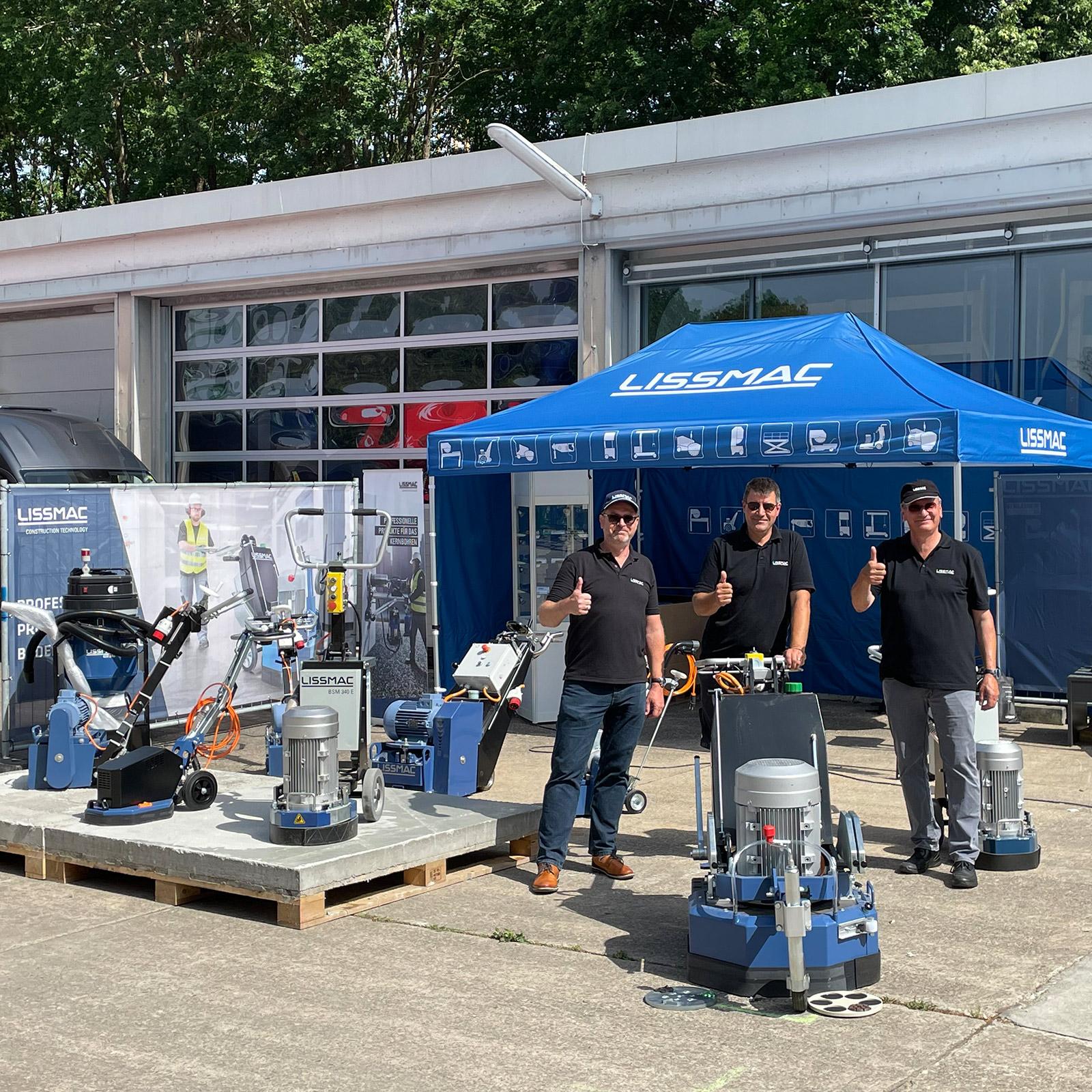
LISSMAC presents grinding and milling machines at EPF
For the twelfth time, the flooring industry met from June 22 to June 24, 2023, to experience what is state-of-the-art in the fields of screed, parquet and tile. Around 150 exhibitors - including many first-time exhibitors - presented strong machinery, aggregates, products, accessories and services for screed, screed laying, floor coverings, floor finishing and tools to around 4,400 trade visitors in an exhibition area covering approximately 10,000 m². Expert lectures and two evening events, as well as the presentation of the German Screed Award, rounded out the trade show offerings and once again made the trade show attractive for numerous trade visitors. A high presence of decision-makers in the industry is also shown by the result of the exhibitor survey: around 75% of exhibitors were not only able to present their products and cultivate existing customers during the trade fair, but also to establish promising new business relationships. "Especially the high quality and the competencies of the trade visitors were fed back to us by the exhibitors in the first feedback rounds as very positive," says the managing director of the Bayerische BauAkademie, Dipl.-Ing. FH Gabriela Gottwald. "Many first-time exhibitors were also surprised by the high number of trade visitors and decision-makers at the fair, and we already have initial bookings for the next Estrich Parkett Fliese trade fair." [Excerpt from the official press release of Bayerische Bauakademie] LISSMAC was also there for the first time this year to present the grinding and milling technology newly added to the product range. After the machines for floor preparation were already well received by visitors at bauma 2022, we took the opportunity to exhibit at a trade fair specifically for this sector. Our booth was rounded off by some classics: floor saws, core drilling equipment and our LIBELT conveyor belt - equipment that is also used in demolition and building renovation. The live demonstrations in the open area of the site were particularly well received. During the entire process from initial information to the purchase decision, seeing and experiencing the products offers an enormous advantage. We at LISSMAC attach great importance to this. For this reason, we are offering training days for grinding and milling machines and floor saws at our Beckum site in September. Further information will follow. Click here for the assortment.
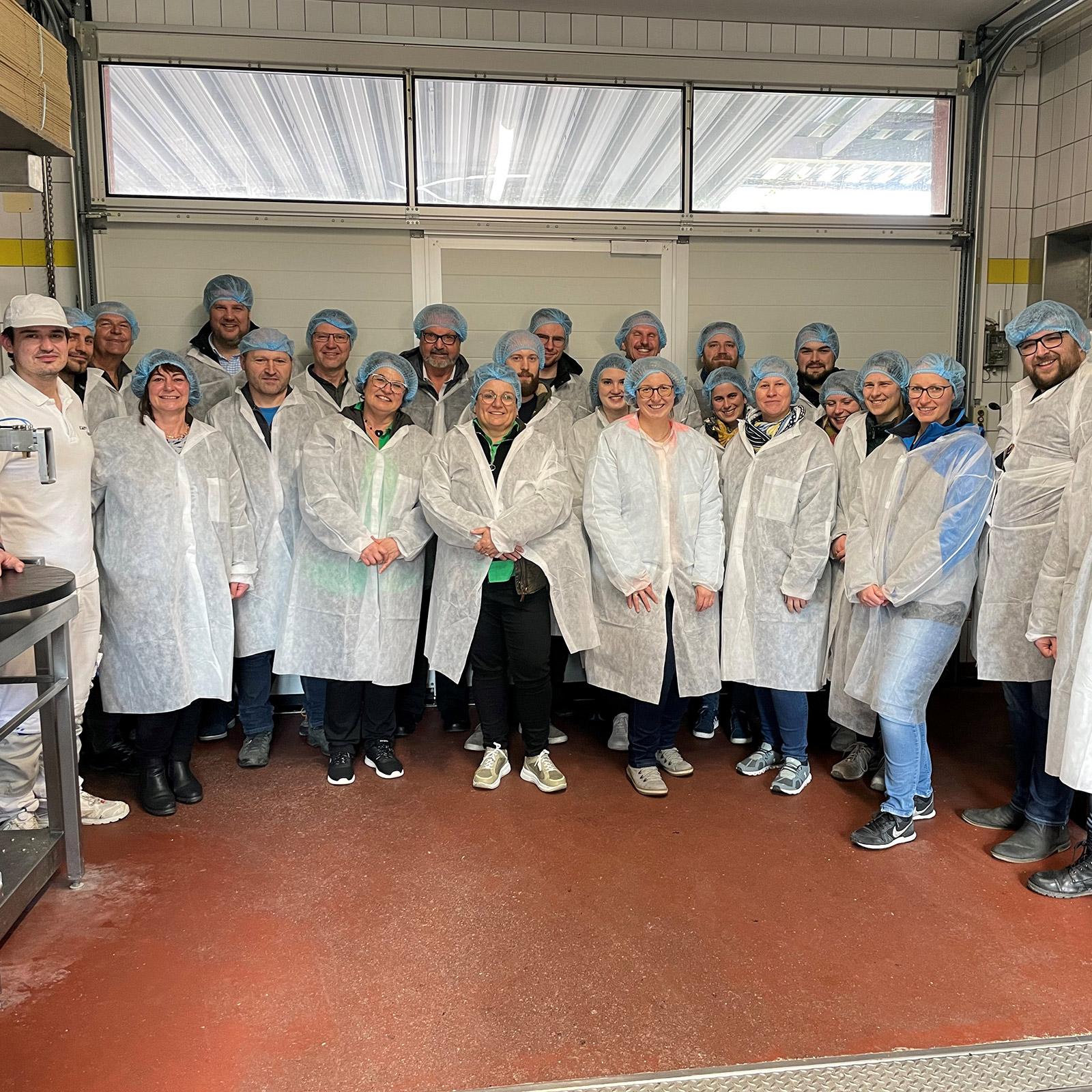
Trip to the cheese dairy Vogler
If you become part of the LISSMAC team, you can expect not only exciting and varied tasks, but also numerous benefits such as joint activities with colleagues. A career at LISSMAC is fun! So on Thursday, March 30, 2023, after work, we visited the Vogler cheese dairy, the best-known cheese dairy in the area. After we were all dressed in hair hoods and coats, we were given a tour by the cheesemaker himself. He initiated us into the secrets of cheese making and explained the production and storage process of cheese. We learned more about the differences between hard, semi-hard and soft cheese and were then allowed to taste the different varieties. In total, about 20 different varieties are produced, depending on the season! From mild to spicy, there was something for every taste. So in the comfortably furnished Sennerstüble a common get-together was guaranteed. As always, it was a successful excursion, so that we are already looking forward to the next joint activity with our colleagues. If you would like to be part of our team, apply now!